
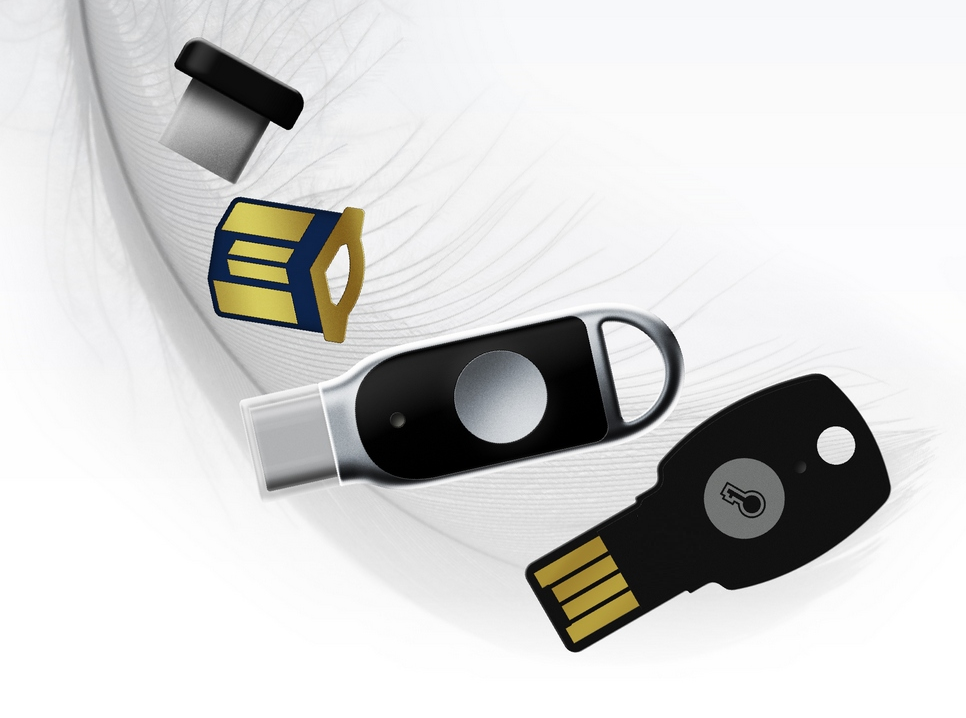
FIDO2 passwordless authentication – A Technical Leader’s Guide to FIDO2 and Passkeys: The End of Credential Theft
FIDO2 passwordless authentication
- FIDO2 Eliminates the Root Cause of Credential Theft.
- FIDO2 Supports Multiple Authenticator Types.
- Hardware Security Keys Provide the Highest Level of Assurance.
- Phishing-resistant MFA is a Foundational Requirement for Zero Trust.
- Successful Implementation Requires a Plan for Recovery and Legacy Systems.
FIDO2 passwordless authentication
FIDO2 Passwordless Authentication: A Technical Guide to Passkeys and Hardware Security Keys
FIDO2 passwordless authentication enables organizations to replace vulnerable password-based logins with secure, phishing-resistant authentication using public-key cryptography. By combining Web Authentication (WebAuthn) with the Client to Authenticator Protocol (CTAP), FIDO2 supports passkeys, hardware security keys and device-based authenticators for modern enterprise applications.
For businesses, government contractors, IT teams and system integrators, FIDO2 passwordless authentication provides a standardized approach to strengthening identity security, reducing phishing risks and simplifying user access. AFT India supplies cybersecurity hardware, including FIDO2 security keys and multi-protocol authentication devices, for organizations seeking reliable authentication solutions.
FIDO2 Passwordless Authentication to Passkeys and Hardware Security Keys
Key Benefits of FIDO2 Passwordless Authentication
- Phishing-resistant login: FIDO2 uses cryptographic credentials bound to the legitimate website or service, helping prevent attackers from reusing stolen passwords or captured authentication responses.
- Passwordless authentication: Users can sign in using passkeys, hardware security keys, device biometrics or a PIN, depending on the authenticator and service configuration.
- Hardware-backed security: External FIDO2 hardware security keys protect private keys within the authenticator, helping isolate cryptographic operations from the connected computer or mobile device.
- Flexible authentication options: Organizations can deploy USB-A, USB-C and NFC security keys, platform authenticators or supported synced passkeys according to their security policies.
- Enterprise application compatibility: FIDO2 and WebAuthn are supported by many modern identity platforms and web applications, subject to each provider’s authentication policies and supported authenticator types.
- Zero Trust identity protection: Phishing-resistant multifactor authentication strengthens identity verification and can support broader Zero Trust security architectures.
- Reduced password-management overhead: Passwordless sign-in can reduce password-reset requests and simplify access management when enrollment, backup authenticators and account recovery are properly configured.
What Is FIDO2 Passwordless Authentication?
FIDO2 passwordless authentication is based on open standards developed through the FIDO Alliance and the World Wide Web Consortium (W3C). It enables applications and websites to authenticate users using public-key cryptography rather than relying exclusively on passwords or reusable shared secrets.
The FIDO2 passwordless authentication framework combines two principal components:
WebAuthn (Web Authentication)
WebAuthn is a web standard that allows websites and applications to register and authenticate users through supported browsers, operating systems and authenticators. During registration, the authenticator creates a public-private key pair for the relying party. The service stores the public key and uses it to verify subsequent authentication responses.
CTAP (Client to Authenticator Protocol)
CTAP enables browsers and operating systems to communicate with external authenticators, including FIDO2 hardware security keys. Supported transports can include USB and NFC, with other transport options depending on the authenticator and protocol version.
CTAP2 supports modern FIDO2 authentication workflows, including discoverable credentials commonly used for passkeys. CTAP1, historically associated with FIDO U2F, supports compatible second-factor authentication workflows.
Together, WebAuthn and CTAP provide the foundation for interoperable FIDO2 authentication across supported applications, browsers, operating systems and security devices.
FIDO2 Security Keys, Passkeys and Passwordless Login
Although the terms FIDO2 passwordless authentication and passkeys are closely related, they are not interchangeable. FIDO2 refers to the underlying authentication standards, while passkeys are FIDO-based credentials designed to make secure sign-in easier.
Organizations can deploy several types of authenticators:
- Hardware security keys: Physical USB-A, USB-C or NFC devices that perform cryptographic authentication and can keep private keys within protected hardware.
- Device-bound passkeys: Credentials associated with a particular device and protected by its supported security mechanisms.
- Synced passkeys: Credentials that can be synchronized across supported devices through a credential provider.
- Platform authenticators: Built-in authentication mechanisms, such as supported fingerprint sensors, facial recognition systems or device PINs.
For enterprise deployments, external FIDO2 hardware security keys are particularly useful when organizations need portable credentials, shared-workstation support, centrally managed authenticator policies or an alternative to personal mobile devices.
The appropriate solution depends on application compatibility, device management, recovery requirements and the organization’s security assurance objectives.
How FIDO2 Passwordless Authentication Works
FIDO2 passwordless authentication uses public-key cryptography to establish trust between an authenticator and an online service.
Step 1: Register the authenticator
The user registers a compatible passkey or FIDO2 security key with a supported application. The authenticator creates a credential key pair associated with the relying party.
Step 2: Store the public key
The service stores the public key and associates the credential with the user’s account. The private key remains protected by the authenticator or the credential provider’s security architecture, depending on the credential type.
Step 3: Request authentication
When the user signs in, the service generates a challenge. The browser or operating system passes the authentication request to the registered authenticator.
Step 4: Verify user presence or identity
Depending on the authenticator and application policy, the user may touch a security key, enter a PIN or use biometric verification. These actions can establish user presence or user verification.
Step 5: Validate the cryptographic response
The authenticator signs the required authentication data. The relying party verifies the signature using the registered public key and checks relevant parameters, including the challenge and relying-party identity.
If the required checks succeed, the application grants access according to its authentication and authorization policies.
Why FIDO2 Passwordless Authentication Resists Phishing
Traditional credential phishing attempts to trick users into revealing passwords or one-time codes that attackers can subsequently reuse. FIDO2 passwordless authentication changes this model by using public-key cryptography and binding authentication to the legitimate relying party.
Key FIDO2 passwordless authentication security advantages include:
- Origin binding: WebAuthn credentials are associated with the legitimate relying party, helping prevent authentication on lookalike phishing domains.
- No reusable password in the authentication exchange: FIDO2 does not require the user to transmit a reusable account password during the FIDO authentication operation.
- Cryptographic verification: The relying party verifies an authentication response using the public key associated with the registered credential.
- Reduced credential-reuse risk: FIDO2 credentials are unique to the relying party, limiting the usefulness of credentials stolen from unrelated services.
FIDO2 passwordless authentication can substantially reduce phishing and credential-stuffing risks. However, it does not independently prevent every security incident, including compromised endpoints, session hijacking or attacks against weak account-recovery procedures.
Hardware Security Keys for Enterprise Authentication
External FIDO2 security keys provide a portable authentication option for organizations that require phishing-resistant sign-in across different users, workstations and operating environments.
AFT India supplies cybersecurity hardware for business authentication requirements, including FIDO2 security keys and multi-protocol authenticators, subject to product availability and model-specific specifications.
Common deployment scenarios include:
Shared workstations
Hospitals, retail operations, manufacturing facilities and contact centers may use shared terminals. Individual hardware security keys can help employees authenticate with their own credentials without relying on a personal phone or a shared device credential.
Effective deployment also requires suitable session management and account-switching procedures.
Mobile-restricted environments
Manufacturing plants, secure facilities and operational technology environments may restrict personal smartphones. USB or NFC security keys can provide an alternative where the workstation, operating system and identity service support the selected authentication method.
Remote employees and privileged users
Hardware security keys can strengthen authentication for administrators, executives, remote workers, contractors and third-party service providers. Organizations should establish appropriate enrollment, replacement and recovery policies.
Mixed-device and legacy environments
USB-A, USB-C and NFC options can help accommodate different device fleets. Multi-protocol authenticators may also support PIV smart card authentication, OTP or OpenPGP, depending on the model, helping organizations transition from legacy authentication systems.
FIDO2, Zero Trust and Compliance Requirements
FIDO2 passwordless authentication supports the identity-verification component of a Zero Trust architecture. It can strengthen access controls when combined with device security, conditional access, least-privilege authorization, session management and continuous risk evaluation.
Phishing-resistant MFA is also important in regulated and security-sensitive environments. Organizations should evaluate the following considerations when selecting authentication hardware:
- NIST Digital Identity Guidelines: Assess the applicable requirements in NIST SP 800-63-4 and the relevant authenticator assurance level.
- FIPS 140-3: Verify the cryptographic module’s applicable validation and certificate status when a particular deployment requires validated cryptography.
- PIV and smart card authentication: Consider supported certificate-based authentication for government, enterprise and legacy environments.
- Industry regulations: Map authentication controls to the organization’s specific PCI DSS, HIPAA, GDPR, CMMC or other applicable obligations.
- Identity provider compatibility: Confirm that the selected authenticator is supported by the organization’s identity provider, operating systems and sign-in policies.
A FIDO2 security key does not automatically establish compliance with a particular regulation or assurance level. Eligibility depends on the authenticator’s capabilities, validated cryptographic components where required, deployment configuration and the complete set of applicable controls.
Choosing the Right FIDO2 Security Key
Selecting an appropriate FIDO2 authenticator requires more than checking whether a product supports passwordless login. IT decision-makers should evaluate the following technical and commercial requirements:
| Selection criterion | What to verify |
|---|---|
| Authentication standards | FIDO2, WebAuthn, CTAP2 and required FIDO U2F compatibility |
| Connectivity | USB-A, USB-C, NFC or other supported interfaces |
| User verification | PIN, biometric verification or touch-based user presence |
| Additional protocols | PIV, OpenPGP, HOTP or TOTP where required |
| Security validation | Applicable FIPS validation, certificate scope and model-specific certifications |
| Enterprise compatibility | Supported identity providers, operating systems, browsers and applications |
| Physical durability | Water resistance, ingress protection and other documented ratings |
| Procurement requirements | Product availability, minimum order quantities, warranty and bulk pricing |
Organizations should test representative devices against their intended applications before placing large orders.
FIDO2 Hardware Security Keys for Business Buyers
AFT India provides cybersecurity hardware for organizations seeking FIDO2 passwordless authentication and phishing-resistant MFA solutions.
Our product selection can help businesses evaluate hardware authenticators for enterprise sign-in, workforce identity protection, privileged access and multi-factor authentication deployments.
When comparing products, buyers should identify their preferred interface, required authentication protocols, identity provider, certification requirements and deployment quantity.
For enterprise procurement, system integration and reseller enquiries, contact AFT India to discuss compatible FIDO2 security keys and other authentication hardware.
Explore FIDO2 Security Keys: Browse available hardware authenticators, compare model-specific features and request pricing for business requirements.
Request a Business Quote: Contact AFT India with your application, required specifications, target quantity and delivery destination to help identify suitable products.
Frequently Asked Questions About FIDO2 Passwordless Authentication
What is FIDO2 passwordless authentication?
FIDO2 passwordless authentication uses public-key cryptography and open authentication standards to enable secure sign-in without requiring a traditional password for the FIDO authentication step. Supported methods include hardware security keys, platform authenticators and passkeys.
Is FIDO2 the same as a passkey?
No. FIDO2 describes the authentication standards, while a passkey is a credential built on FIDO authentication technology. Passkeys may be device-bound or synchronized across supported devices.
Are FIDO2 security keys phishing-resistant?
Yes. Properly implemented FIDO2/WebAuthn authentication provides phishing resistance by binding credentials to the legitimate relying party. Security outcomes still depend on the complete authentication and recovery design.
What is the difference between FIDO2 and FIDO U2F?
FIDO U2F was designed primarily as a second authentication factor alongside a password. FIDO2 adds WebAuthn and CTAP2 capabilities that support passwordless authentication and modern passkey workflows. Compatible U2F security keys can continue to work as a second factor on supported services.
Do FIDO2 security keys work with Microsoft Entra ID and Google Workspace?
Many FIDO2 security keys are supported by Microsoft Entra ID and Google Workspace, but compatibility depends on the service’s current policies, administrator settings, supported authentication methods and the specific key.
Can FIDO2 security keys support NFC and USB-C?
Yes. Some models provide USB-C and NFC connectivity, while others use USB-A or different combinations. Buyers should confirm the interface and supported protocols for each model before procurement.
Are FIDO2 security keys required for Zero Trust?
Not universally. FIDO2 hardware security keys are one option for implementing phishing-resistant authentication. The appropriate controls depend on the organization’s Zero Trust architecture, threat model, identity platform and applicable requirements.
Can FIDO2 passwordless authentication meet NIST AAL3 requirements?
A FIDO2 implementation may support an AAL3-compliant authentication solution when all applicable requirements are satisfied. The authenticator, cryptographic module, authentication factors, deployment configuration and relevant NIST guidance must be evaluated together.
How can businesses purchase FIDO2 security keys from AFT India?
Business buyers can contact AFT India with their required quantity, USB or NFC interface, target applications, security certifications and delivery country. This information helps determine product suitability and obtain a relevant commercial quotation.
Conclusion: Strengthen Enterprise Identity with FIDO2
FIDO2 passwordless authentication provides a standards-based approach to reducing password-related security risks and strengthening resistance to phishing. Through WebAuthn, CTAP and compatible passkeys or hardware security keys, organizations can modernize authentication while maintaining interoperability across supported applications and devices.
For businesses implementing phishing-resistant MFA, Zero Trust access controls or passwordless enterprise login, selecting the right authenticator is an important part of the security architecture.
AFT India helps business buyers evaluate cybersecurity hardware for authentication, identity protection and enterprise security deployments. Explore FIDO2 security keys or contact our team for product compatibility and bulk procurement enquiries.
Yubico Products and Solutions: Implementing FIDO2 Passwordless Authentication in Your Organization
Hardware Security Keys
- The YubiKey 5 Series includes Multi-protocol security keys that support FIDO2/WebAuthn, FIDO U2F, PIV Smart Card, and other protocols—ideal for securing both modern cloud applications and legacy systems mentioned in the “Bridging the Gap” section. These FIDO2 security keys support enterprise authentication, phishing-resistant MFA, and passwordless authentication across compatible applications.
- The YubiKey Bio Series offers biometric security keys with fingerprint recognition for convenient user verification (PIN/biometric) as described in the FIDO2 framework. The YubiKey Bio Series – Multi-protocol edition supports both FIDO and smart card protocols, providing biometric authentication options for compatible enterprise security and passwordless login deployments.
- The YubiKey 5 FIPS Series offers FIPS 140-2 validated keys required for AAL3 compliance in government and highly regulated industries. While all YubiKey models can achieve AAL3 in multi-factor configurations, FIPS validation is specifically mandated for federal employees and contractors. Organizations evaluating FIDO2 passwordless authentication, FIPS-validated security keys, and phishing-resistant multifactor authentication should verify the applicable model certifications and deployment requirements.
- The Security Key Series offers cost-effective FIDO-only keys for organizations and individuals beginning their phishing-resistant journey. These FIDO2 hardware security keys provide an option for implementing phishing-resistant MFA and passwordless authentication across supported applications.
Enterprise services
YubiKey as a Service provides subscription-based access to YubiKeys with flexible upgrade options, which allows organizations to implement phishing-resistant MFA across their workforce at a predictable cost that’s “less than a cup of coffee per user per month,” addressing the TCO concerns raised in the article. Enterprise organizations evaluating FIDO2 passwordless authentication solutions can consider deployment costs, hardware procurement, user management, and total cost of ownership (TCO) when planning their authentication strategy.
The shift away from passwords is inevitable. The question isn’t whether your organization will move to FIDO2, it’s when, and whether you’ll lead or lag. As AI-powered attacks continue to evolve, as Zero Trust architectures become standard, and as compliance requirements tighten, FIDO2 passwordless authentication, phishing-resistant MFA, and hardware-backed authentication will transition from competitive advantage to operational necessity.
The internet was built on a model of trust that no longer holds. Passwords and other shared secrets are a relic of a different era. FIDO2 provides a standardized, interoperable, and cryptographically secure path forward. By rooting authentication in verifiable hardware and eliminating shared secrets, FIDO2 passwordless authentication offers a robust and user-friendly solution to reduce credential theft and strengthen enterprise identity security.
Feitian Products and Solutions: Implementing FIDO2 in Your Organization
Hardware Security Keys
- ePass FIDO — standard USB security keys: For organizations looking for cost-effective FIDO2 authentication and phishing-resistant sign-in using compatible USB security keys. Models to investigate: A4B, K28E and K39, with protocol and connector support varying by model.
- ePass FIDO NFC — USB and contactless authentication: Suitable for deployments requiring NFC authentication on supported mobile devices alongside compatible USB connections. Models to investigate: K9B, K9D and K40 Plus; confirm the precise interface and firmware configuration.
- BioPass FIDO2 — fingerprint-enabled security keys: Designed for biometric authentication and passwordless sign-in, subject to the identity platform’s supported authentication methods. Models to investigate: K26 and K49 Pro.
- MultiPass FIDO — multi-interface authentication: Worth evaluating when an organization needs a security key designed for multiple connection scenarios. Model to investigate: K13. Verify current availability and supported interfaces before specifying it.
FEITIAN solutions for enterprise FIDO2 deployment
FEITIAN from Aft India provides implementation resources for account registration, Microsoft authentication, Windows logon, SSH, and security key management.
| Enterprise requirement | FEITIAN solution to evaluate |
|---|---|
| Phishing-resistant MFA | FIDO2/WebAuthn security keys |
| Passwordless employee login | Compatible FIDO2 keys and identity-provider policies |
| Microsoft Entra ID | Supported FEITIAN FIDO2 authenticators and Entra configuration |
| Google Workspace and Google Accounts | Compatible FEITIAN security keys |
| Mobile authentication | NFC-capable keys and compatible mobile devices |
| Biometric sign-in | BioPass fingerprint-enabled keys |
| SSH authentication | FEITIAN security keys with supported OpenSSH configurations |
| Smart-card and certificate workflows | Models supporting PIV, subject to application and platform requirements |
FIDO2 passwordless authentication – A Technical Leader’s Guide to FIDO2 and Passkeys: The End of Credential Theft
FIDO2 passwordless authentication – A Technical Leader’s Guide to FIDO2 and Passkeys: The End of Credential Theft